
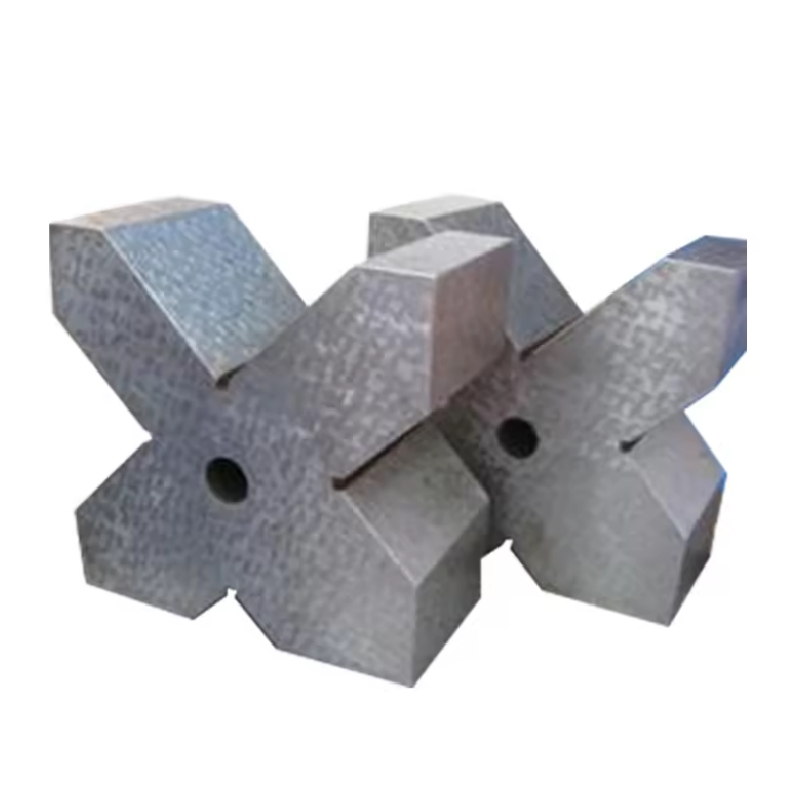
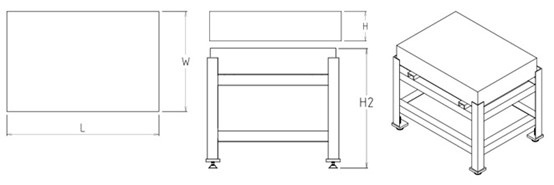
flat laminated glass
Understanding 6G and 6H Thread Gauges Precision in Engineering In the world of engineering and manufacturing, thread gauges play a crucial role in ensuring the accuracy and functional integrity of threaded components. Among the various classifications of thread gauges, the 6G and 6H designations are particularly important, especially in applications involving tight tolerances and high-performance requirements. Understanding the differences between these two types of gauges is essential for engineers, manufacturers, and quality control specialists. What are Thread Gauges? Thread gauges are tools used to measure the size and pitch of threads on screws, bolts, and other fasteners. They come in various specifications to accommodate different types of threads, including Unified, Metric, and Whitworth threads. The accuracy of these gauges is critical, as even slight deviations can lead to assembly issues, product failures, or safety hazards. Introducing 6G and 6H Thread Gauges The distinction between 6G and 6H gauges mainly revolves around the tolerance classes they represent. In general, the “G” and “H” designation stands for General and Holding, respectively. 6g 6h thread gauges 1. 6G Thread Gauges The 6G tolerance class is often used for external threads, such as those found on bolts and studs. This class provides a medium level of tolerance, which allows for easy assembly while ensuring sufficient strength and reliability of the fastened joint. The 6G specification is characterized by a more significant allowance for variation, making it suitable for applications where parts may need to fit together while still accommodating some manufacturing error. 2. 6H Thread Gauges In contrast, the 6H class is designed for internal threads, such as those in nuts and tapped holes. The 6H tolerance is tighter than that of 6G, promoting a higher degree of precision. This class is particularly beneficial in applications where consistent performance is critical, and any slack in fit could lead to malfunction or decreased load-bearing capability. Applications and Importance Both 6G and 6H gauges are essential in industries ranging from aerospace to automotive manufacturing, where precision and reliability are paramount. The choice of gauge depends on the specific requirements of the application. Engineers often select 6G for general use, where some tolerance is acceptable, while 6H is favored in precision applications demanding greater control over dimensional accuracy. Conclusion In conclusion, the choice between 6G and 6H thread gauges can significantly impact the quality and performance of mechanical assemblies. Understanding their differences allows engineers to select the appropriate gauge for their specific application needs, ensuring both efficiency in production and reliability in the final product. In an era where precision engineering is more important than ever, mastering the subtleties of thread gauge specifications is essential for successful manufacturing practices.
about
flat laminated glass
The Aesthetic and Functional Appeal of Wood Post Caps Wood post caps are a popular addition to various outdoor structures, enhancing both the aesthetic and functional elements of fences, decks, and garden posts. In recent years, the trend towards eco-friendly and visually appealing outdoor designs has led to a resurgence in the use of natural materials like wood. This article explores the benefits, styles, and maintenance of wood post caps and why they are an ideal choice for your outdoor spaces. Aesthetic Enhancement One of the primary reasons homeowners and builders opt for wood post caps is their ability to elevate the visual appeal of a property. Available in various designs, shapes, and finishes, wood post caps can complement the overall architecture of a home and landscape. Whether it's a rustic country home or a modern minimalist design, there is a wood post cap to match. Wood post caps can be stained or painted in a multitude of colors, allowing for customization that aligns with personal taste or the surrounding decor. Furthermore, the natural grain patterns and textures of wood add warmth and charm that synthetic materials may lack. This organic touch can make any outdoor area feel more inviting and well-designed. Functional Benefits Beyond their aesthetic contributions, wood post caps serve several functional purposes. They protect the tops of fence posts and railings from water damage, which can be especially crucial in areas with significant rainfall or snow . By preventing moisture from entering the wood, post caps help to prolong the life of wooden structures and reduce the likelihood of rot and decay. In addition to moisture protection, post caps can deter pests that may tunnel into wooden posts, safeguarding your investment. Some designs also feature decorative features like finials or lanterns, providing extra charm while offering illumination at night. This added light can enhance safety and security in backyards and pathways. wood post caps Styles and Designs When considering wood post caps, the styles available range from straightforward and functional to intricate and ornate. Basic cap designs are often flat or slightly sloped, ensuring a clean finish that serves its primary purpose of protection. On the other hand, more elaborate designs may feature carved details, multiple layers, or decorative edges, allowing homeowners to express their unique style. Various types of wood can also be chosen for post caps. Cedar and redwood are popular choices due to their natural resistance to decay and insects. These woods not only perform well in outdoor conditions but also offer rich colors and attractive grain patterns. Maintenance and Care While wood post caps are an excellent investment, they do require some level of maintenance to ensure they remain in top condition. Regular inspections should be conducted to check for any signs of wear, such as splintering or discoloration. Applying a good quality sealant or stain every couple of years can protect the wood from the elements and maintain its appearance. Cleaning wood post caps is also essential. Removing dirt, debris, or mildew often requires a simple wash with soap and water or a biodegradable cleaner to avoid damage. Regular maintenance will ensure that wood post caps continue to enhance your outdoor space for years to come. Conclusion Wood post caps combine aesthetic beauty with functional benefits, making them an excellent choice for anyone looking to enhance their outdoor spaces. Their ability to protect against moisture, pests, and general wear, coupled with their customizable nature, makes them a top pick for homeowners and contractors alike. As we move towards more sustainable and visually appealing design choices in landscaping, wood post caps stand out as a timeless addition that harmonizes utility and style in any setting.
-

High quality industrial productsagement

High quality industrial products
View Details -

Meet the diverse needs of customers

Meet the diverse needs of customers
View Details -

Strict quality control

Strict quality control
View Details -

Top raw materials

Top raw materials
View Details -

Trusted supplier

Trusted supplier
View Details
Our application


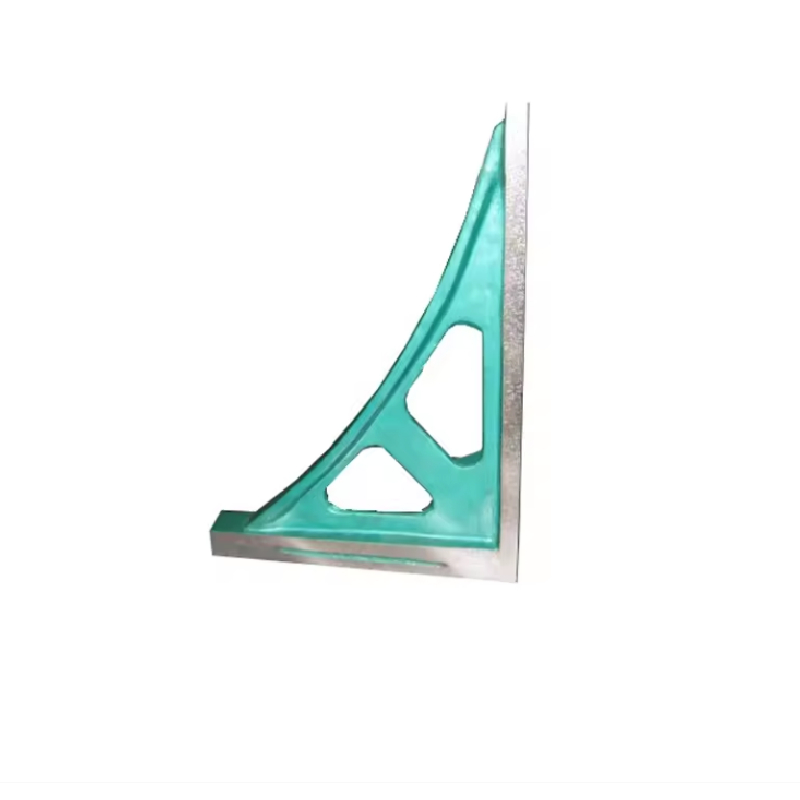
news and information
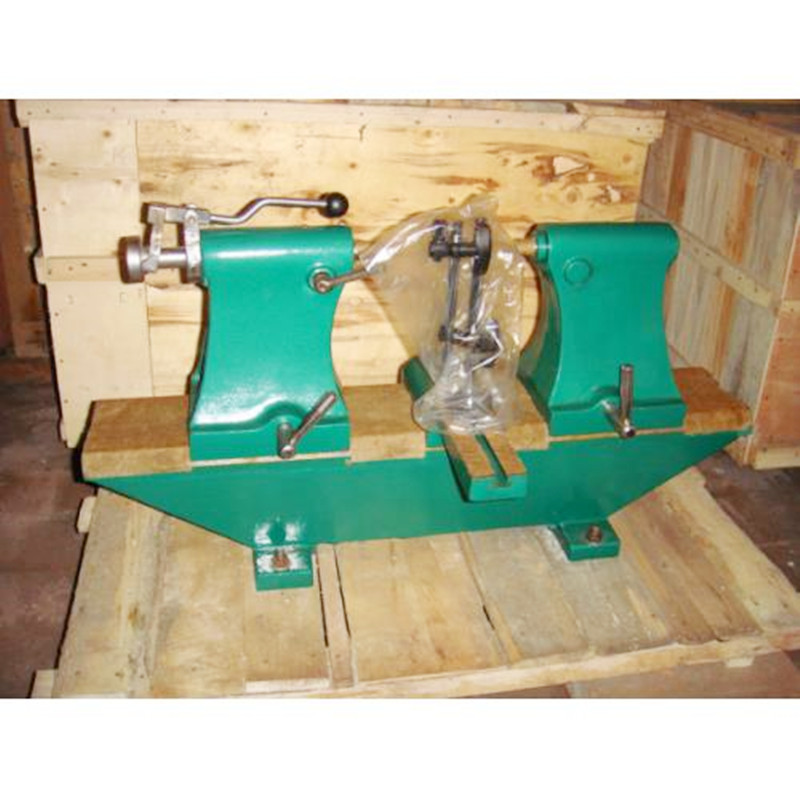
Y filtre en fonte
Le Strainer Y en Fonte Un Équipement Indispensable pour l’Industrie Dans le domaine de l’industrie,
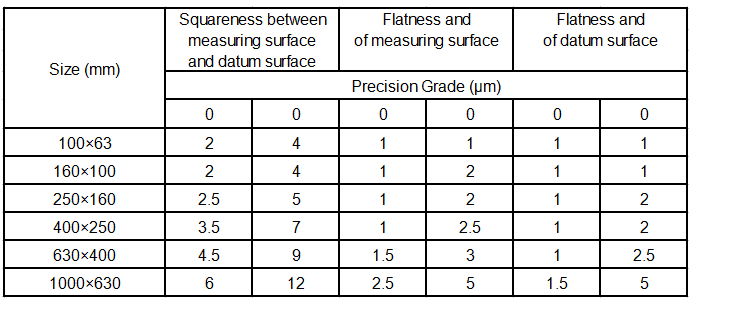
water valve key types
Understanding Water Valve Key Types Water valves are essential components in various plumbing system
Water Valve Fails to Close Properly Leading to Leakage Issues and Concerns
Troubleshooting a Water Valve That Won't Shut Off Water valves play a crucial role in home plumbing
 English